The Significance of Charity (Dāna) in Hindu Dharma: Meaning, Benefits, and Spiritual Importance
Charity (Dāna) in Hindu Dharma is a sacred practice of selfless giving that purifies the mind, reduces attachment, and cultivates compassion. Through charity, one performs Dharma, creates positive Karma, and contributes to the welfare of society while progressing on the spiritual path.
Introduction
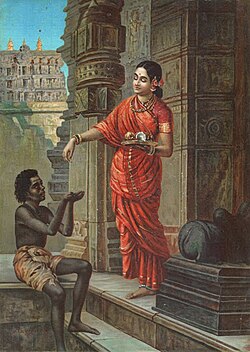
Charity, known as Dāna (दान) in Hindu Dharma, is one of the most important virtues emphasized in Sanatana Dharma. It represents the act of selflessly sharing one's wealth, knowledge, food, time, or resources with those in need without expecting anything in return.
In Hindu philosophy, charity is not merely an act of giving; it is a spiritual practice that purifies the mind, reduces attachment, and helps an individual progress on the path of Dharma and spiritual growth.
The essence of Dāna is beautifully expressed through the principle:
"Tyāgenaike Amṛtatvam Ānaśuḥ"
"Through renunciation and selfless giving, one attains immortality."
Meaning of Dāna in Sanatana Dharma
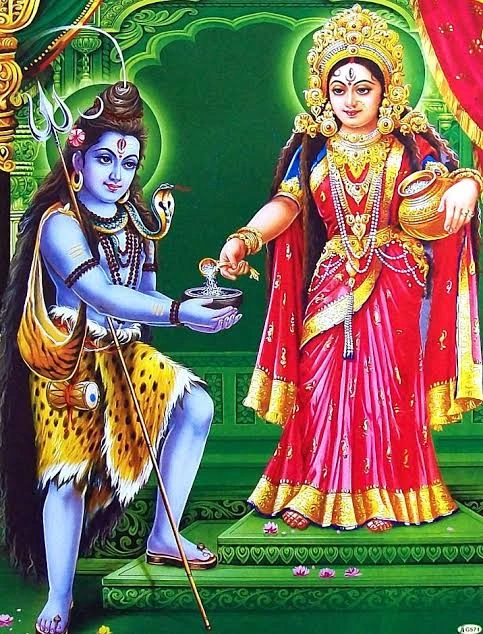
The Sanskrit word Dāna comes from the root word "da", meaning "to give". However, Hindu scriptures explain that true charity involves more than simply transferring material possessions.
A true act of charity should be performed with:
- A pure heart
- Compassion toward others
- Humility
- No expectation of personal reward
- Respect toward the receiver
The value of charity is determined not only by what is given but also by the intention behind the giving.
Importance of Charity According to Hindu Scriptures
Sanatana Dharma considers charity as one of the essential duties of human life. The scriptures encourage individuals to share their resources and support society.
In the Bhagavad Gita, Lord Krishna explains that charity performed at the right place, right time, and to a deserving person, without expecting anything in return, is considered Sattvic Dāna—the highest form of charity.
Charity is regarded as a way to:
- Perform one's Dharma
- Reduce selfishness and ego
- Develop compassion
- Create positive Karma
- Support the welfare of society
Types of Charity in Hindu Dharma
1. Anna Dāna (अन्न दान) – Charity of Food
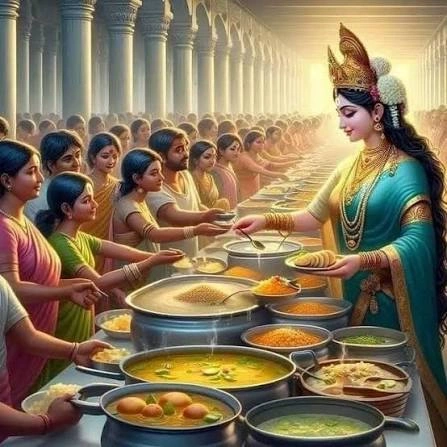
Offering food is considered one of the highest forms of charity in Hindu tradition.
The saying:
"Annadānam Mahādānam"
"The gift of food is the greatest gift."
reflects the belief that providing food directly sustains life.
Anna Dāna is commonly performed during:
- Religious festivals
- Temple events
- Special occasions
- Service activities for the needy
2. Vidyā Dāna (विद्या दान) – Charity of Knowledge

Sharing knowledge is considered an extremely noble form of giving. Educating others, teaching skills, and spreading wisdom help uplift individuals and society.
Knowledge is unique because it increases when shared.
3. Vastrā Dāna (वस्त्र दान) – Charity of Clothing

Providing clothing to those who lack basic necessities is an expression of compassion and social responsibility.
4. Go Dāna (गो दान) – Charity Related to Cows
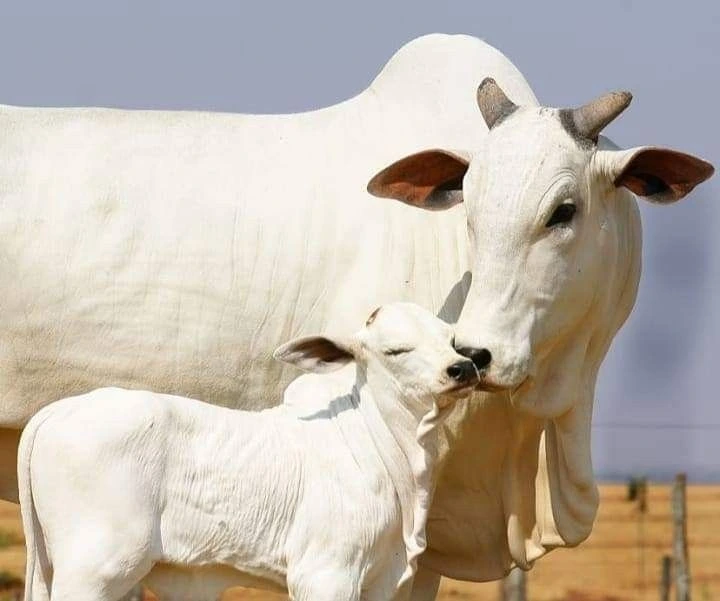
In Hindu tradition, cows hold great spiritual and cultural importance. Go Dāna has historically been considered a sacred offering associated with gratitude and service.
5. Financial and Material Charity

Supporting those facing difficulties through money, shelter, medicine, or essential resources is also considered an important form of Dāna.
Spiritual Benefits of Charity
1. Purification of the Mind

Hindu philosophy teaches that attachment to possessions can become an obstacle to spiritual progress. Charity helps reduce greed and develops a sense of detachment.
When we give selflessly, the mind becomes more peaceful and compassionate.
2. Reduction of Ego
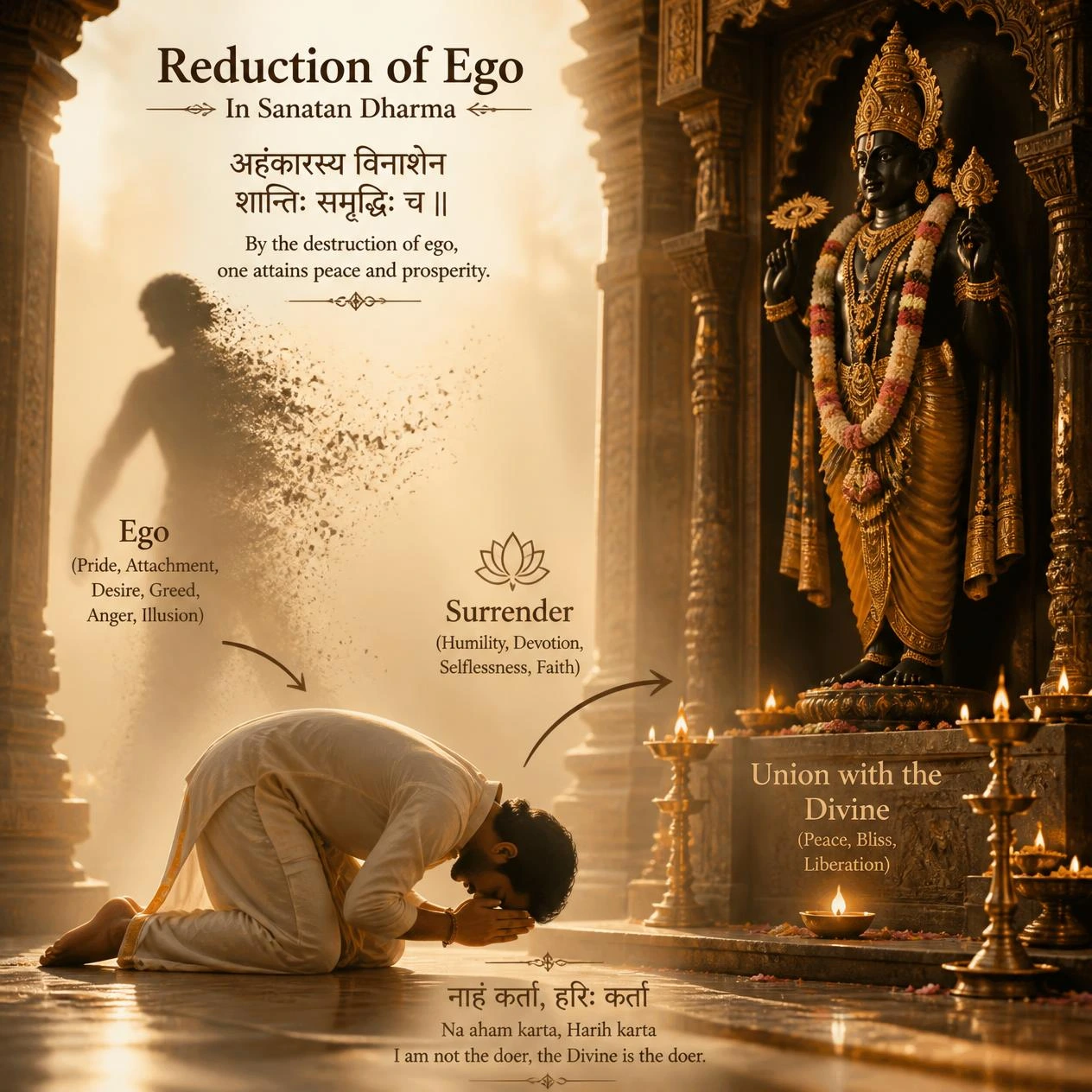
Charity teaches humility. It reminds individuals that wealth and resources are temporary blessings and should be used responsibly.
The feeling changes from:
"Everything belongs to me"
to:
"I am only a caretaker of what has been given to me."
3. Creation of Positive Karma
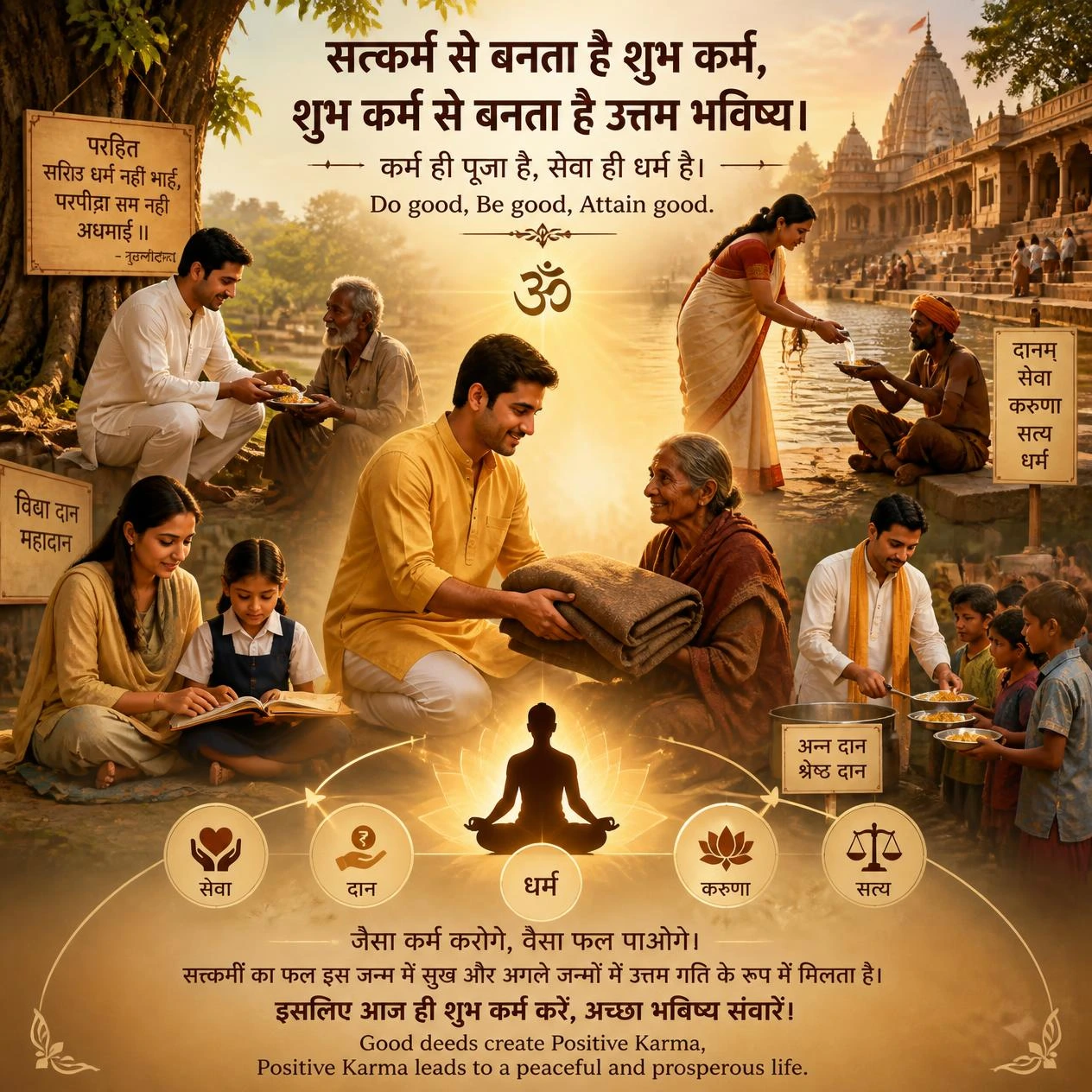
According to the law of Karma in Hindu Dharma, every action creates consequences. Selfless charity performed with good intentions creates positive impressions and contributes to spiritual growth.
4. Development of Compassion
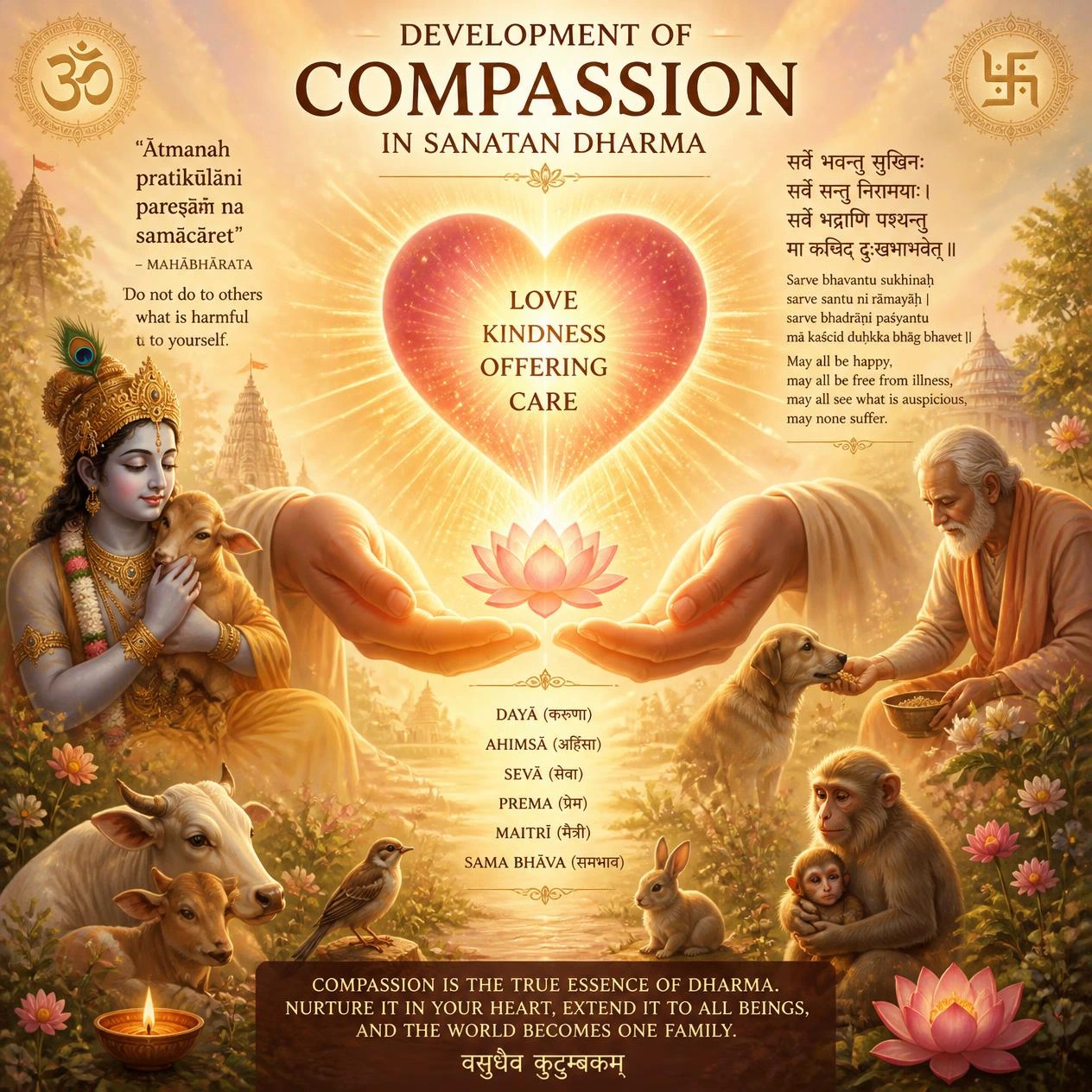
Charity expands our awareness beyond ourselves. It helps us recognize the presence of the Divine in all living beings.
The spirit of Seva (selfless service) is closely connected with Dāna.
5. Spiritual Progress
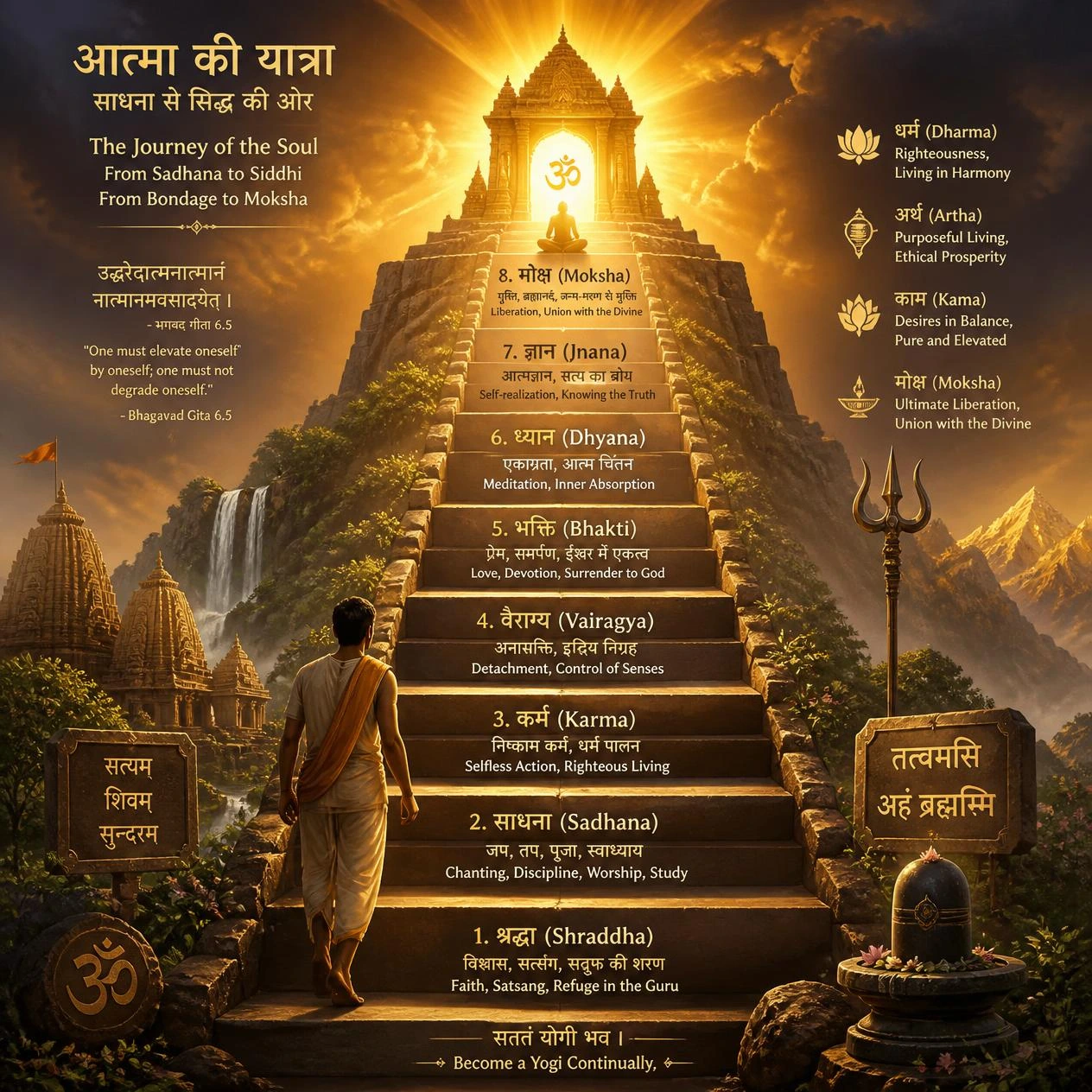
Charity performed without pride or expectation helps purify one's consciousness and prepares the individual for higher spiritual understanding.
It transforms giving from a social activity into a spiritual practice.
The Right Way to Perform Charity
Hindu Dharma emphasizes that the attitude behind charity is more important than the amount given.
A person should:
- Give according to their ability
- Give with respect and kindness
- Avoid showing pride about their charity
- Choose genuine causes and deserving recipients
- Give without expecting recognition
Charity done only for fame or social status loses its spiritual significance.
Charity During Auspicious Occasions
Hindu tradition encourages charity during spiritually significant times such as:
- Festivals
- Birthdays
- Anniversaries
- Solar and lunar events
- Pilgrimages
- Religious observances
Many devotees perform Dāna on occasions like Guru Purnima, Makar Sankranti, and other sacred days as an expression of gratitude and devotion.
Charity and Society
Beyond individual spiritual benefits, charity plays an important role in maintaining harmony and compassion within society.
A society where people practice generosity becomes stronger through:
- Mutual support
- Reduced suffering
- Shared responsibility
- Respect for all beings
Sanatana Dharma views wealth not merely as personal possession but as a means to contribute toward Lokā Kalyāṇa (the welfare of the world).
Inspiring Examples of Charity in Hindu Dharma
Sanatana Dharma has preserved many stories of great kings and devotees who demonstrated the highest ideals of charity, sacrifice, and compassion. Their lives teach that true Dāna is not merely about giving wealth but about giving with sincerity, courage, and selflessness.
Karna – The Symbol of Generosity
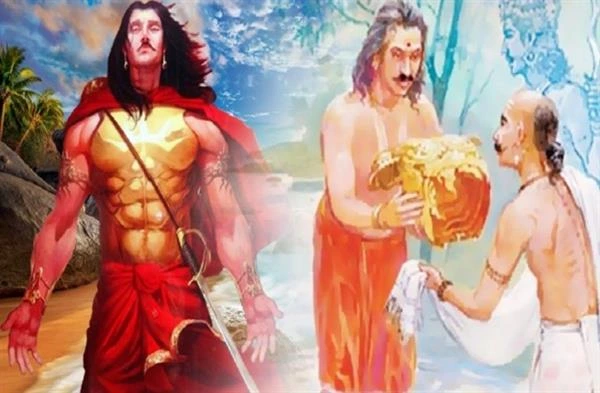
Karna, one of the greatest warriors of the Mahabharata, is remembered as Dāna Veera Karna because of his unmatched generosity.
Karna was famous for never refusing anyone who approached him seeking help. According to tradition, even when he knew that giving away his divine armor and earrings would put his own life at risk, he donated them without hesitation when asked.
His life teaches that true charity requires a generous heart, sacrifice, and the willingness to help others even during difficult circumstances.
King Shibi – The Example of Supreme Sacrifice
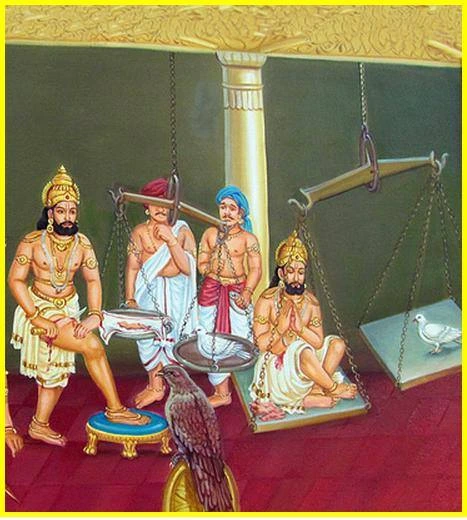
King Shibi is celebrated in Hindu traditions as an ideal ruler known for compassion and protection of all beings.
According to ancient stories, when a dove sought refuge with him from a pursuing hawk, King Shibi promised to protect the dove. When the hawk demanded equivalent flesh from his own body as compensation, the king willingly offered his own flesh to uphold his duty and protect the helpless creature.
The story represents the highest form of Dāna—sacrificing one's own comfort for the welfare of another.
King Harishchandra – Charity Through Truth and Dharma
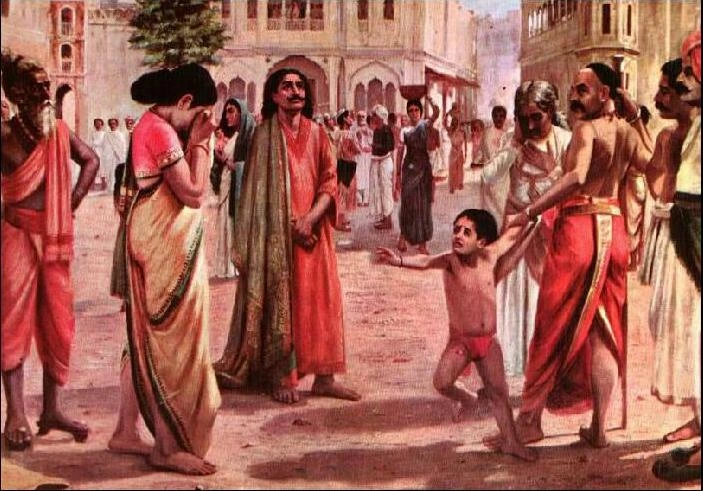
Harishchandra is remembered for his unwavering commitment to truth and righteousness. His life demonstrates that Dharma and sacrifice are greater than material possessions.
Even during extreme hardships, he remained devoted to his principles, showing that the highest form of giving includes offering one's dedication, honesty, and integrity.
Rantideva – Compassion Beyond Self
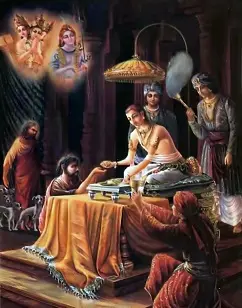
Rantideva is known for his extraordinary compassion. According to tradition, even after experiencing prolonged hunger and hardship, he gave away the little food and water available to him to those who came seeking help.
His example teaches that true charity comes from compassion, not abundance.
The Message Behind These Stories
The lives of Karna, King Shibi, Harishchandra, and Rantideva show that the greatness of charity lies not in the value of the gift but in the purity of intention and willingness to serve others.
Sanatana Dharma teaches that the highest form of Dāna is when giving becomes an expression of love, compassion, and recognition of the divine presence in all beings.
Conclusion
Charity in Hindu Dharma is a path of self-purification, compassion, and spiritual growth. True Dāna is not measured by the size of the gift but by the purity of the heart behind it.
By practicing charity with humility and devotion, an individual moves closer to the ideals of Dharma, develops inner peace, and contributes to the welfare of society.
"The greatest gift is not what we give from our hands, but the kindness and compassion we give from our hearts."