Significance of Guru Purnima
Understanding the spiritual and cultural importance of Guru Purnima in Sanatana Dharma.

Introduction
Guru Purnima is one of the most revered spiritual observances in Sanatana Dharma, dedicated to honoring the Guru—the spiritual guide who dispels ignorance and leads seekers toward knowledge, wisdom, and self-realization. Celebrated on the full moon day (Purnima) of the Hindu month of Ashadha, this sacred occasion is a reminder of the eternal importance of the Guru–disciple relationship.
The word "Guru" carries a profound meaning in Sanskrit: "Gu" represents darkness or ignorance, and "Ru" represents the remover of that darkness. Thus, a Guru is one who removes ignorance and illuminates the path of truth and wisdom.
The Origin of Guru Purnima
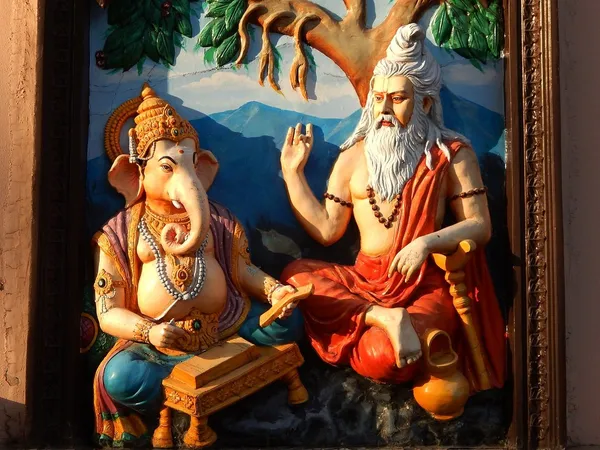
Guru Purnima is traditionally associated with the birth anniversary of Veda Vyasa, one of the greatest sages in Sanatana Dharma. Maharishi Vyasa is credited with organizing the four Vedas, composing the Mahabharata, and writing the eighteen Mahapuranas.
Because of his immense contribution to preserving and spreading spiritual knowledge, Guru Purnima is also known as Vyasa Purnima. Devotees remember his teachings and offer gratitude to all Gurus who continue the tradition of sharing divine knowledge.
One of the most popular verses chanted on this day is:
"Guru Brahma, Guru Vishnu, Guru Devo Maheshwara,
Guru Sakshat Param Brahma, Tasmai Shri Gurave Namaha."
This verse recognizes the Guru as a divine presence who represents the creative, sustaining, and transformative aspects of the Supreme.
Guru–Shishya Parampara: The Eternal Tradition
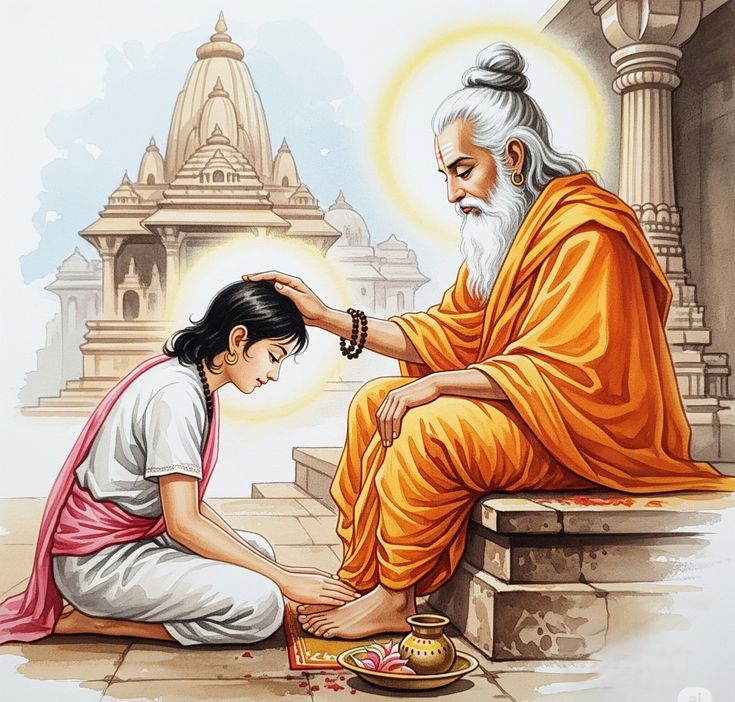
The Guru–Shishya Parampara (teacher–disciple tradition) is one of the foundations of Sanatana Dharma. For thousands of years, spiritual wisdom, scriptures, arts, sciences, and life values have been preserved through this sacred relationship.
Ancient Gurukulas were centers where students learned:
- Moral values
- Self-discipline
- Spiritual practices
- Respect for nature
- Responsibilities toward society
The relationship between Guru and disciple was based on trust, humility, dedication, and service. The disciple lived with the Guru, observed their way of life, and learned through both instruction and example.
How Guru Purnima Is Celebrated
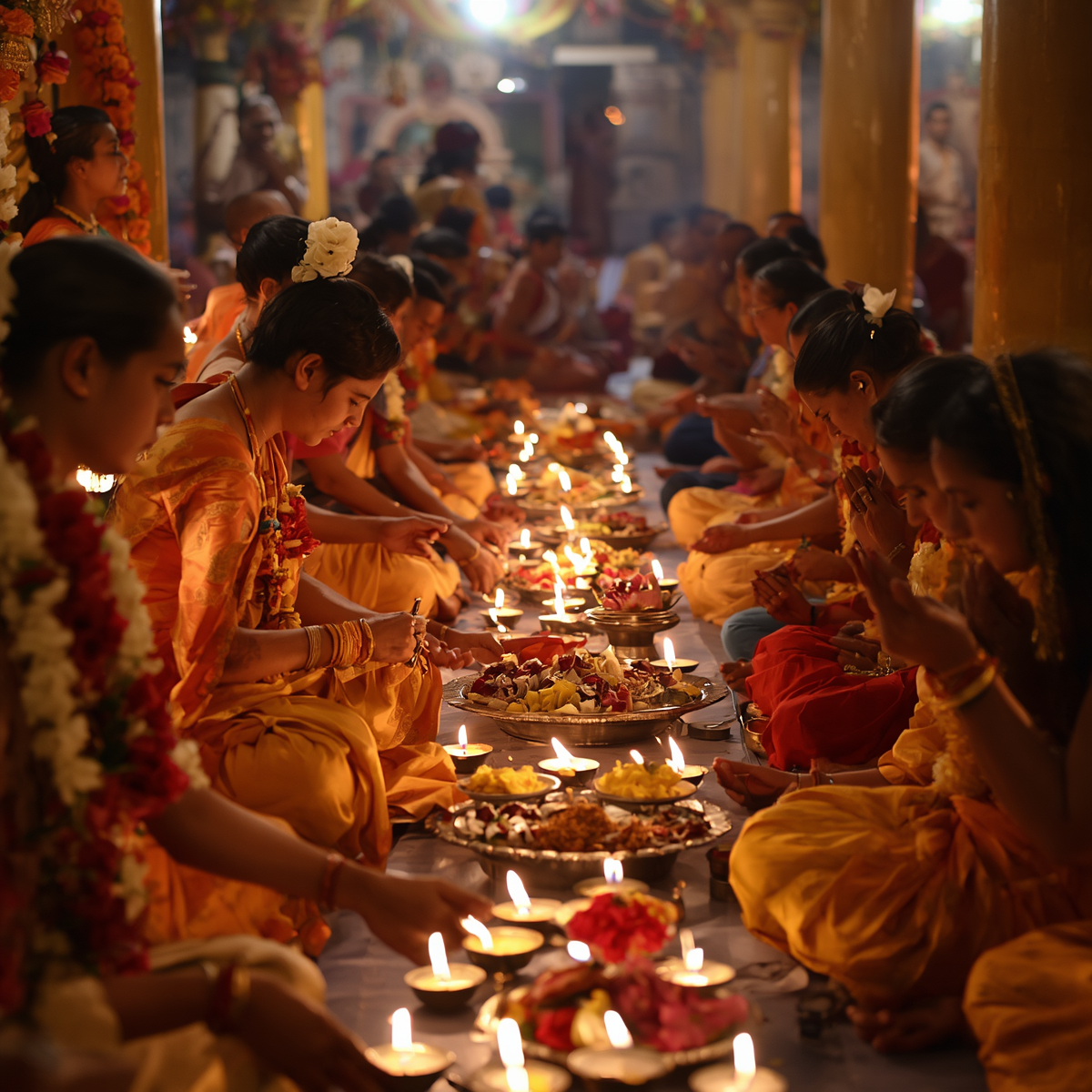
On Guru Purnima, devotees express gratitude toward their spiritual teachers and seek their blessings. The celebrations may include:
- Offering prayers and respects to one's Guru
- Performing Guru Puja with flowers, lamps, and offerings
- Reading or listening to spiritual scriptures and discourses
- Meditation, japa (chanting of mantras), and satsang
- Visiting temples, ashrams, or spiritual centers
- Practicing charity and selfless service (seva)
Many people also take a vow on this day to follow a spiritual discipline more sincerely—such as regular meditation, study of scriptures, or a commitment to living a more dharmic life.
The Deeper Meaning of Guru Purnima
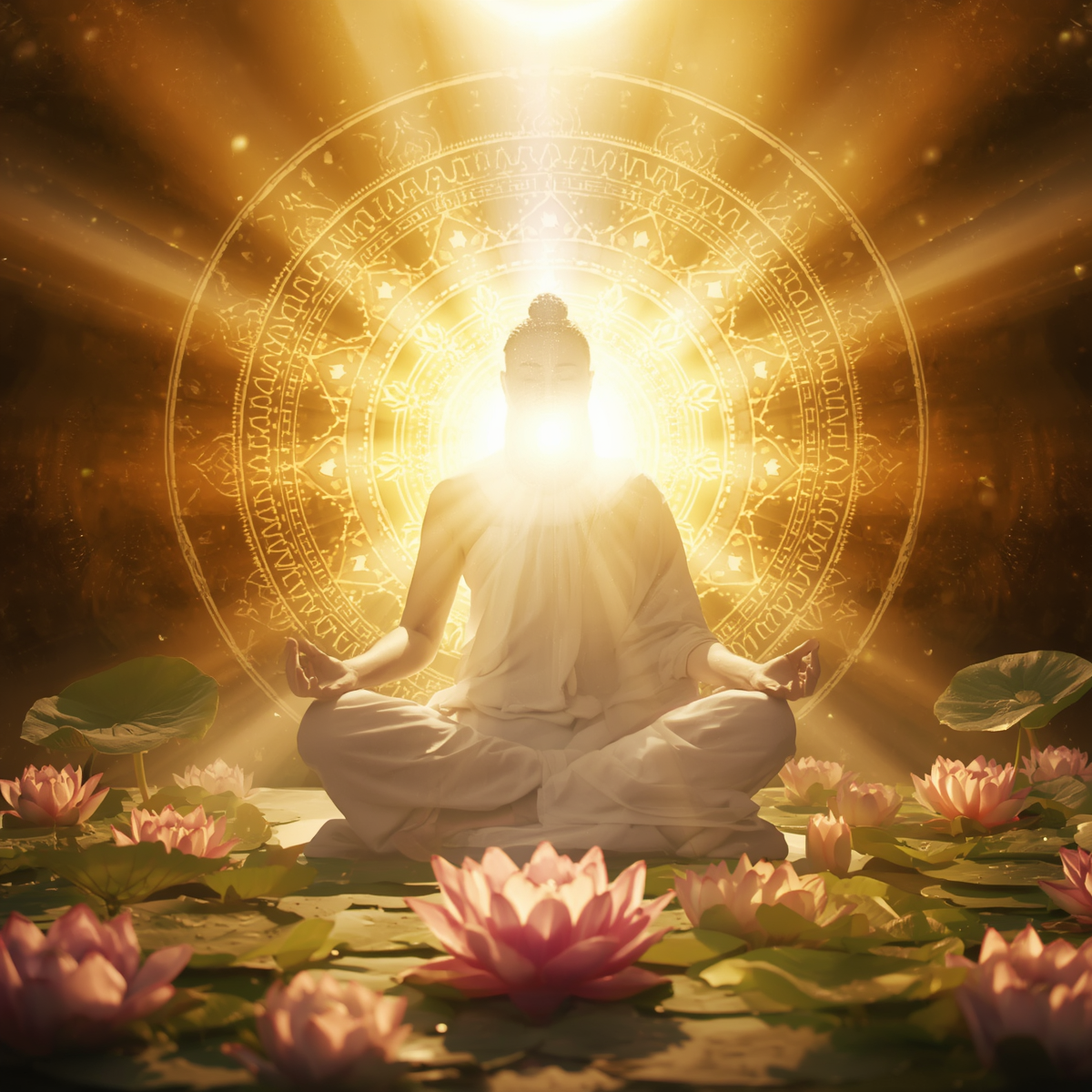
Beyond honoring an individual teacher, Guru Purnima represents the importance of knowledge and enlightenment itself. It reminds humanity that wisdom must be received with humility and shared with compassion.
The festival teaches that true knowledge is not limited to books; it is a transformation of consciousness that helps an individual recognize the divine presence within and around them. The Guru’s role is to guide the disciple from confusion to clarity, from ego to surrender, and from ignorance to inner awakening.
A true Guru does not create dependence but empowers the disciple to discover their own inner light.
Guru Purnima in Modern Times
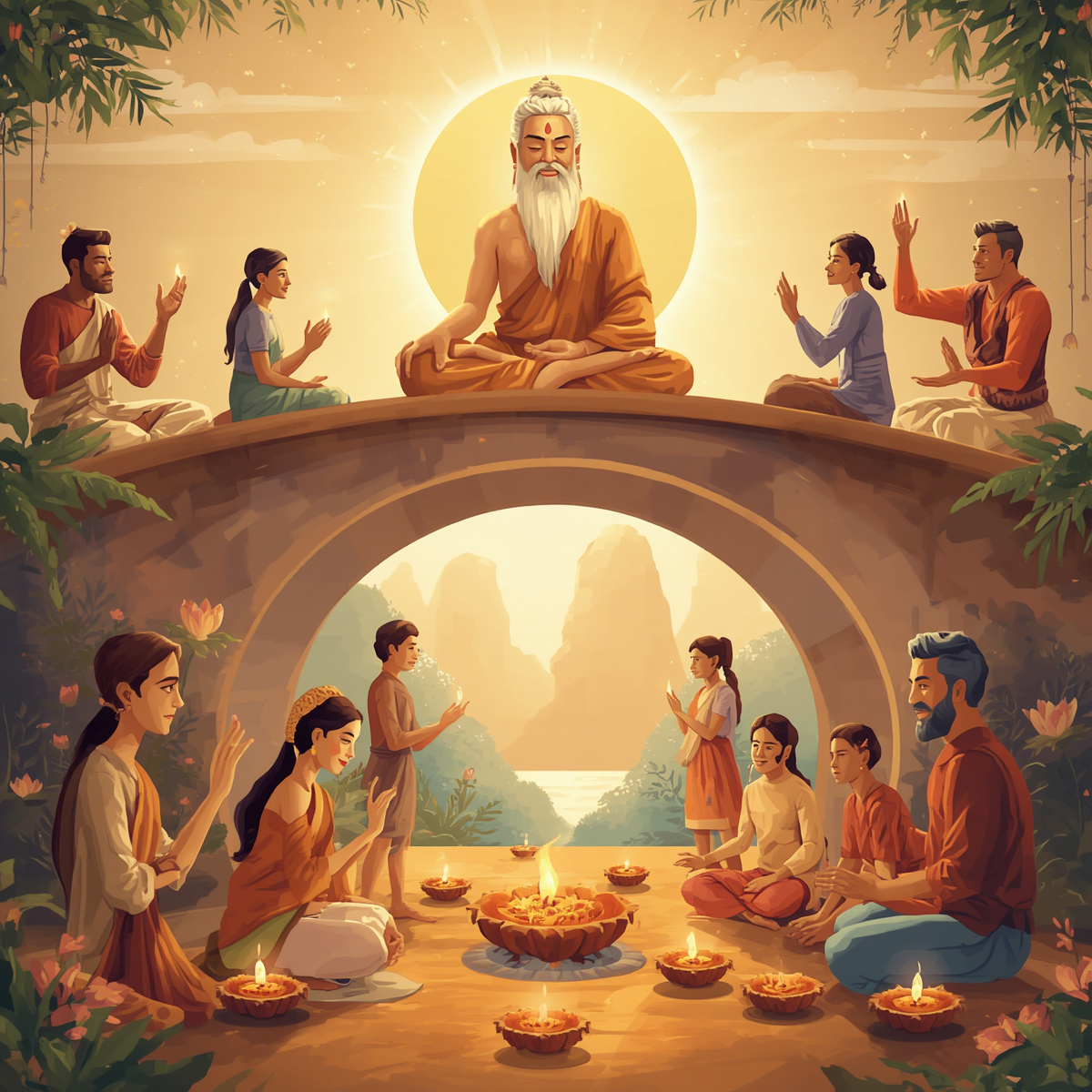
Even in today’s fast-changing world, the teachings of Guru Purnima remain deeply relevant. While the methods of learning have evolved, the need for guidance, wisdom, and ethical values is as strong as ever.
A Guru in modern life may appear in many forms—a spiritual master, a mentor, a teacher, a parent, or anyone who sincerely guides us toward truth, character, and self-improvement. Remembering and honoring such people on Guru Purnima keeps us grounded in gratitude and humility.
Conclusion
Guru Purnima is a sacred celebration of wisdom, gratitude, and the divine relationship between Guru and disciple. It reminds us that knowledge is the greatest light, removing the darkness of ignorance from our hearts and minds.
By honoring the Guru, devotees honor the eternal tradition of learning, self-improvement, and spiritual awakening that forms the foundation of Sanatana Dharma. When we walk the path shown by the Guru with sincerity, every day becomes an opportunity for inner growth.
Summary
Guru Purnima celebrates the sacred bond between Guru and disciple and reminds us of the importance of wisdom, humility, and spiritual growth. It is a day to express gratitude to those who guide us toward Dharma, knowledge, and self-realization.